
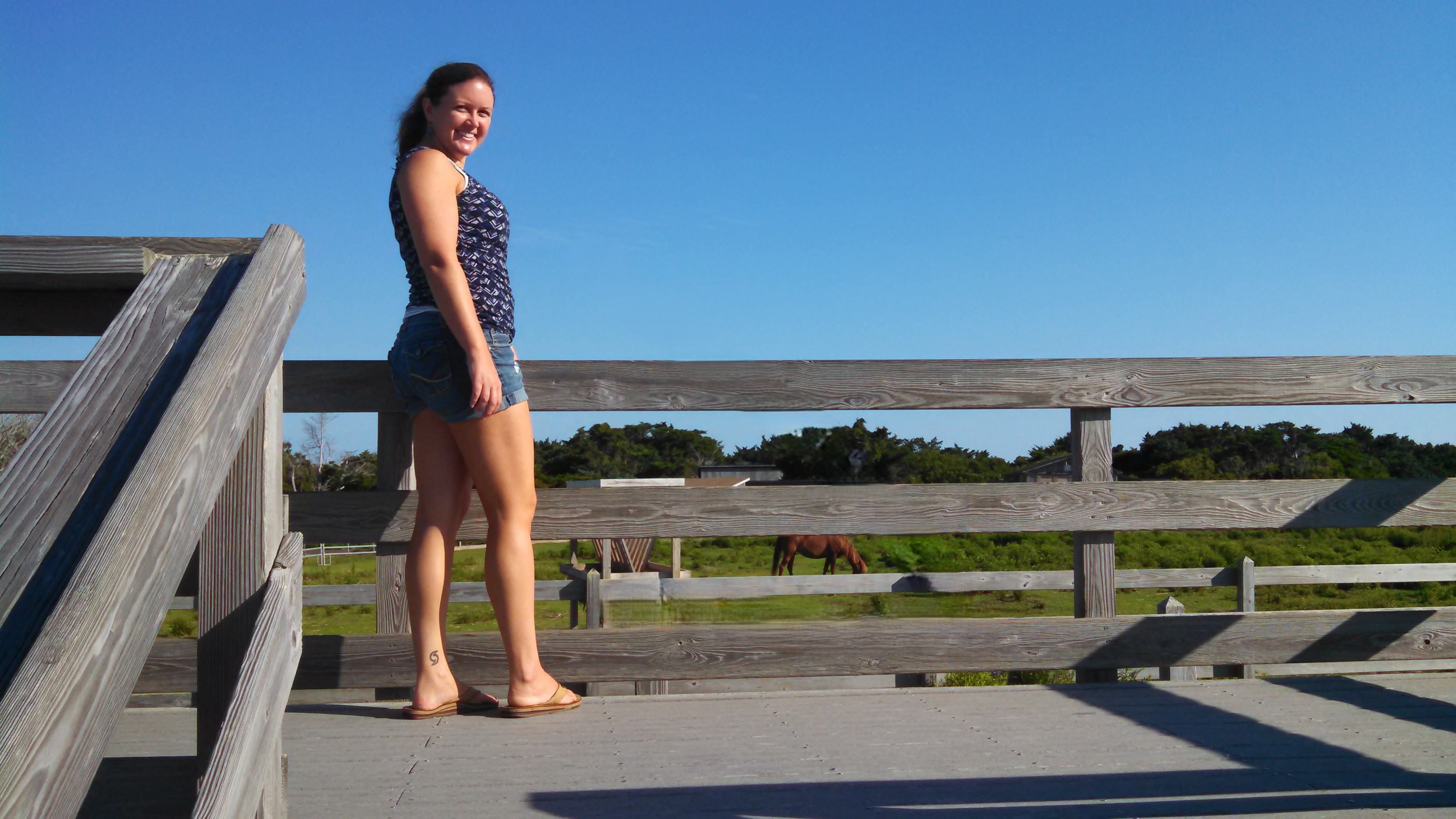
A Farewell to Horses
So far, readers, you’ve met Phoenix, Sugar, the three paint mares, and the mustang. But that’s only six horses out of fifteen. In this last post, let’s visit the other nine horses and find out why I left them.
Behind Horace’s barn was a stately black draft gelding and a gray donkey. If you’ve not spent much time around donkeys, you may not realize how rough and dense their coats are, how floppy their ears, how rounded their bellies, or how chill their personalities. Horace said the donkey kept the high-strung draft horse calm and scared the coyotes away. I suppose the donkey accomplished this with his offensive odor, since he didn’t have a mean bone in his body.
But if anyone needed a therapeutic donkey, it was the Gypsy Vanner stallion.
Why Horace had the stallion, I don’t know. It seemed an unnecessary extravagance, but it was like he’d set about collecting one of every kind of horse, and he couldn’t leave this one out. Gypsy Vanners are a stocky breed with long tufts of hair at their feet. They resemble small draft horses. This one was black-and-white piebald, a beauty, and he knew it. He was meant for full parade costume, not a solitary life behind a barn where no one could see him, and this made him worried and unhappy.
I was always a little scared of that stallion, because somewhere, sometime, I’d heard that stallions attack women. Actually, Horace might have told me that. So at first, I stayed away. But I couldn’t stand how lonely the handsome fella looked and eventually ventured into his pen.
It wasn’t easy, as there was no door or gate. I had to climb through a barn window and drop into his stall like a burglar. The stallion was just as nervous about this as I was. But if I moved slowly enough, he didn’t run away. He let me brush him and clean his feet. Until he didn’t. He was prone to changing his mind mid-grooming and hoofing it in a hurry. Men are like that.
Adjacent to the stallion were two geldings – a gray-and-white speckled Appaloosa and a bay-colored barrel racer. Theirs was the wettest and muckiest paddock, and their feet were prone to thrush (an infection). The two geldings got along far better than the mares, and they didn’t cause any trouble.
What happened to me wasn’t their fault.
Horace had electric fencing around each paddock. The electricity was kept turned up to full strength because there were shorts in the line, and one ancient charger box in the barn powered over two acres of wire. Horses are big, and it takes a decent shock to affect them.
Not so for me.
One day, I was leaving the geldings, securing the chain that connected their metal gate to a wooden fence post. As I held one end of the chain, the other end slipped from my hand and fell against the electric wire on the fence.
I was only a few feet from the power box. That shock is one I’ll never forget.
I dropped the chain and collapsed to the ground. My heart hurt, and I was afraid I’d done real damage. It was an hour before I felt well enough to finish my chores. It only took once to learn my lesson, and forever after, as soon as I arrived at the barn, I unplugged that hateful electric fence.
But the shock wasn’t why I left the horses. That comes later. First, let’s meet the other mares.
At the end of the property was a tall palomino. She was a high-maintenance beauty bedecked in golden hair, with a blonde mane and conformation like a statue. Given the least opportunity, she’d waste away and require extra medicine, her own roll of hay, and special grain. She had a detached paddock all to herself, because she could not get along with other horses. The palomino princess.
Also at the back of the property was an antisocial paint mare. Somehow, her mane got messier than any other, but since she was a bleach blonde, I wasn’t allowed to cut it. I spent a lot of time brushing her long locks. In her paddock lived a Paso Fino, a fine-boned petite breed that resembles a permanent yearling. She was skittery and afraid of people, of water, of bugs, and of me. She and the tangly paint got along by pretending the other wasn’t there.
And finally, in a stall alone, was the mean horse.
Now, Horace had told me that the mare in the enlarged stall was mean. He’d essentially put her in an extended time-out, in a covered enclosure that was meant to hold three horses. She didn’t have space to run, jump, or play, just walk ten feet and lay down. I figured she was mean because she was mad.
But I could fix that.
In stages, I worked on trust – grooming her and leading her by a halter. She was easier than the mustang, but her body language remained wary. You’d think a horse without much exercise would become soft, but her muscles stayed tight with tension. What she needed, I thought, was nurture and nature.
Behind her stall was a length of overgrown yard, no more than four feet wide, ten feet long. I led her out and let her eat the grass. Over time, I took her farther, to new grass by the quiet dirt road. She got better treatment than any other horse.
One day, I let her mosey toward the barn. Then, I heard a high-pitched scream.
The stallion was parading in his paddock, tail and head high, screeching at us. And though the mare had seemed normal before her outing, at the stallion’s call, she lifted her tail and neighed back, a scandalous flirt in estrus.
As the stallion became more animated, galloping in full display, I remembered I’d turned off the electric fence. Desperately, I pulled the mare back to her stall. I did not walk her that way again.
But still, she was doing so well, I thought she deserved a chance at being a proper horse.
I decided to ride her, though Horace warned me he’d got her at auction and wasn’t sure she was broken. I thought I knew her well enough to try.
A friend accompanied me as I took the mean mare into the riding pen, saddled her, and bridled her. I walked her then gave the lead line to my friend. I got on her back in stages, and she stood still. She behaved. I sat astride her while my friend led her in circles. We were doing great.
So I told my friend to let go.
It wasn’t two minutes later that the mare stopped and stood still. Her ears pricked this way and that. I nudged her on. She didn’t move.
Then, she bucked over and over, and I fell off like a sack of grain, smack to the ground.
I’d never had the wind knocked out of me before, so when it happened, I didn’t recognize the feeling. I thought I might be dying. Why else couldn’t I breathe?
When the air is pushed from your lungs by impact, it feels like you’re suffocating. It takes time for the lungs to slowly refill with oxygen. Struggling for tiny breaths, I gasped as my friend led the horse away.
I checked my mobility – nothing broken, and my hard head had hit only packed dirt. I was OK.
Once I could breathe again, I got back on.
I’d seen my mother do it, when thrown from my uncle’s horse. It’s for both the rider’s benefit and the horse’s, she’d said – you must get back in the saddle.
I rode around the paddock while my friend held the lead line tightly, then we returned that mean mare to her stall. To stay. I was not ready, and neither was she. She needed a better rider. She needed someone who knew what they were doing. I was just making it up as I went along, as usual.
Yet it wasn’t the electric fence or the throw that made me quit tending horses. It wasn’t the dismal pay, either, or the brown tater ridges inside my elbows.
It was realizing I couldn’t save them.
The horses and the property needed help, more than I could give, and more than Horace would hire. For example, the manure wasn’t cleaned out often enough. To help, I shoveled the worst piles into empty feed bags and dumped them on my gardens at home; I even gave my mother a truckload of manure for Christmas one year. But it built up faster than I could remove it.
The mean horse needed an actual paddock. The geldings’ pen was too wet. Fences needed mended and horses’ hooves trimmed. The donkey’s feet were pitiful. The Paso Fino was too skinny. We were often low on grain, out of hay. Horace was overcommitted with work, church, and family. He was in chronic pain and in failing health.
And I was in over my head.
So, I quit, and I lost touch with Horace. Recently, I searched for him online – he passed away last year. His obituary states “he loved his horses and all things western.” And so he did.
Farewell, horses. Farewell, Horace. May we meet again. Back in the saddle.

 Jessi Waugh Writer
One thought on “A Farewell to Horses”