
A Tourist’s Guide to
Nuclear Power Plants
My friend Shazam is visiting Carolina Beach, NC this week, and she asked for activity recommendations. What to do, what to do?
Well, it’s been almost eighteen years since I lived in CB – I’m sure much has changed. I don’t know what to do while touristing in town, but I can tell you what not to do.
I lived in Carolina Beach while attending UNC-Wilmington and while teaching science at a nearby high school. That school was within five miles of both a nuclear power plant and a military weapons terminal. It was an exciting, all but explosive, place to work.
Every few years, the school system conducted district-wide nuclear meltdown drills. We’d pile into buses and take a field trip with all 1200 students to a meeting spot an hour away, just in case. We kept permission forms, too, confirming students could receive potassium iodide pills in the event of a nuclear disaster (these pills reduce absorption of radiation – most households had a stash). During the quarterly test of the emergency warning sirens, which I never seemed to know about ahead of time, I waited anxiously to see if the loud wailing ended. Luckily, it always did.
But the threat was real – Chernobyl, Three Mile Island, the more recent Fukushima disaster. Nuclear power comprises a fifth of US power, yet most of our plants are close to 50 years old. Old buildings and machines require more maintenance. I regularly met “outage workers” who traveled the circuit of nuclear power plants, cleaning and repairing inactive parts before moving on to the next hot spot.
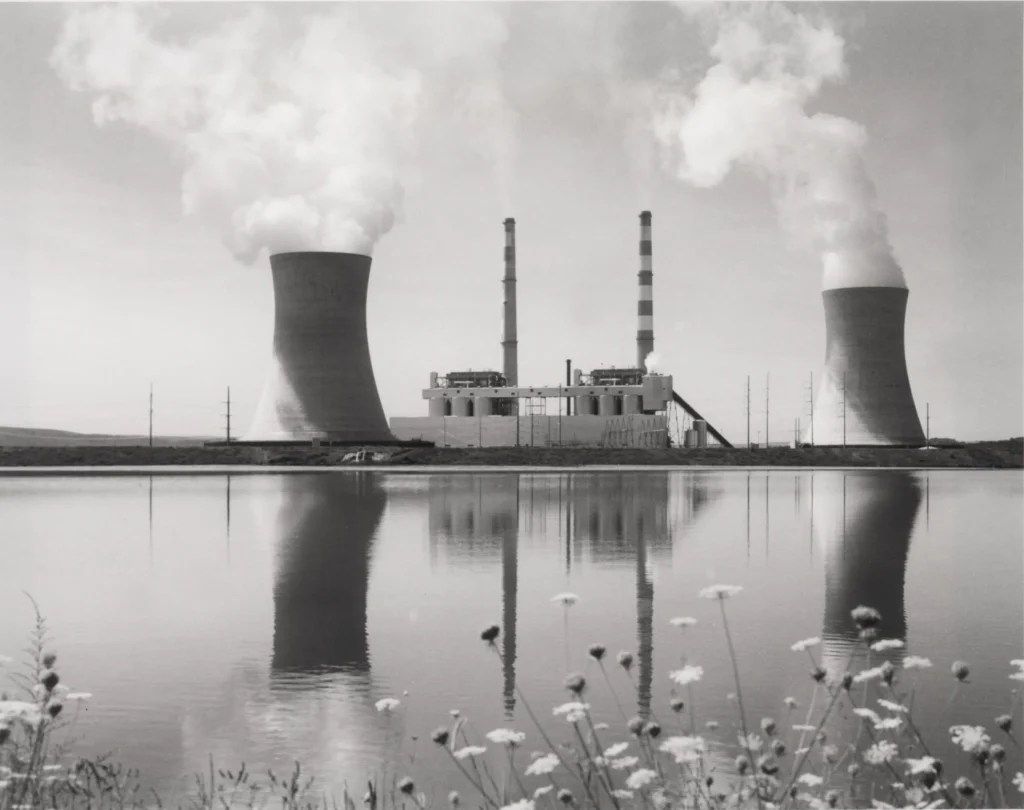
Some of these workers were divers, since nuclear power plants rely on a large influx of water to cool reactors. Daily, I drove to school over a bridge that spanned the nuclear power plant’s outflow canal. In the winter, clouds of steam rose from the canal, lifting like a white fog in the early morning light. It was almost beautiful.
The plant employed security officers, too, who patrolled a wide buffer of land to make sure nobody was aiming anything at the powerplant or at the weapons depot. Most of the land surrounding the facilities was off-limits.
For example, the entire back side of Carolina Beach was off limits. Carolina Beach is part of Pleasure Island, a strip of land below Wilmington, NC. Pleasure Island, from north to south, has three townships: Carolina Beach, Kure Beach, and Fort Fisher.
Shazam is staying at Carolina Beach State Park, which is on the back (not beach) side. The state park has cool carnivorous plants, rare migratory birds (like painted buntings), and a big historic dune called “SugarLoaf.” But after that state park, there’s no more public access to the waterway. The back side of the island is restricted because it faces the nuclear power plant and weapons depot. There’s nothing on the west side of Carolina Beach except an old graveyard.
And in the graveyard rests the Fort Fisher hermit. He lived at Fort Fisher in a bunker in the 1960s. People visited him, myths arose around him (my friend Lea once thought the hermit was her father), and he became locally famous. I used to go to the graveyard to visit the early island settlers’ graves and enjoy the quiet woods and sense of history. Then one day, near the graveyard, I found a trail to the waterway. A fisherman’s trail, for people fishing, un-ofish-ally.
There were “no trespassing” signs all along the back of the island, but this was different. There were no signs near the trail. And it was very well-trodden. I thought, well, maybe it’s OK here by the cemetery. Maybe this one trail is an exception. Maybe not legal exactly, but acceptable. The sort of thing locals come to know about. I explored for hours.
The next week, I returned, bringing a friend. We took the trail to the backside beach. It was as glorious as any secret beach ever was. We laid our towels out to sunbathe. The water lapped gently, the breeze was light and cooling, the sun was bright and full. Just peace and serenity, all alone but for the shore birds. We untied the bottom strings of our bikinis to avoid tan lines and lay comfortably on our bellies, half-dozing in the sand.
When suddenly, a loud crunching sound approached through the marsh.
A dog? A rogue wave? Another beach goer? An alligator? I looked up.
A soldier, in full tactical gear – big boots, canvas pants, and a belt with doohickeys and holsters. He wore long sleeves, despite the heat, a hat, and had important-looking chest badges. But most noticeably, he held a giant black semi-automatic weapon the whole length of his arm. And it was pointing right at me.
I understand the need for security. I understand that I was in the wrong. I understand the “better safe than sorry” mentality. I also understand that few threats can be concealed within bikini bottoms.
After an awkward interchange, in which I vowed to never again sun myself at that particular location, my friend and I headed back to the car. I waved farewell to the hermit and to my favorite spot in Carolina Beach, never to return.
So, when on Pleasure Island, you should experience the Venus fly traps, the painted buntings, Sugarloaf dune, Britt’s donuts, and Michael’s seafood chowder. Visit Fort Fisher and the hermit’s bunker, and sun yourself on the oceanside beach. You can even stop by the early settler’s cemetery.
But you can skip the backshore beach – there’s nothing to see there.

 Jessi Waugh Writer
We lived in Jacksonville for years as my husband was stationed at New River and visited Carolina Beach quite often. I’d completely forgotten about the Fort Fisher hermit!
LikeLike
Thanks for stopping by!
LikeLiked by 1 person
I love a good cemetary.
Had to settle for wake n bake… Other place still closed for winter.
Michael’s wasnt as good as fish bites, but we didn’t get the chowder… Maybe we’ll get some to go tomorrow.
Kayak was high point of trip!
Suzanne Wheatcraft
LikeLike
I’ve always wanted to kayak Masonboro – glad you got Steve to take you!
LikeLike